The world is in a period of extraordinary technological change: one that, unlike previous waves, carries the genuine potential for low- and middle-income countries to not just receive these advances, but to shape them.
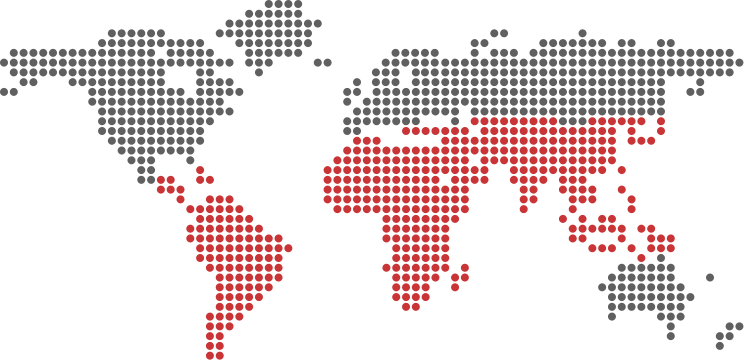
And yet the populations that represent 85% of the world remain largely absent from the conversations shaping where the field goes next, their languages barely present in existing datasets, their most pressing problems underrepresented in the scientific literature.
The founders of NAAMII believed that closing this gap requires both scientific excellence and local relevance: that the most high-impact problems in global health, language access, or climate resilience are also among the most scientifically interesting problems of our time.
This was the conviction that birthed NAAMII.