NAAMII Strengthens Maternal Health AI Collaboration in Uganda
- Post by: Naamii
- July 11, 2025
- No Comment
Site visit reinforces multi-country efforts to scale AI-powered obstetric ultrasound
Project: AI-Assisted Handheld Obstetric Ultrasound Scanning by Non-Experts
Funder: Bill & Melinda Gates Foundation
Led by: NAAMII with partners in Uganda, Kenya, Nigeria, Pakistan, and Nepal
Primary Uganda Partners: Infectious Diseases Institute (IDI), Makerere University and Kawempe National Referral Hospital (KNRH)
Kampala, Uganda (June 2025)
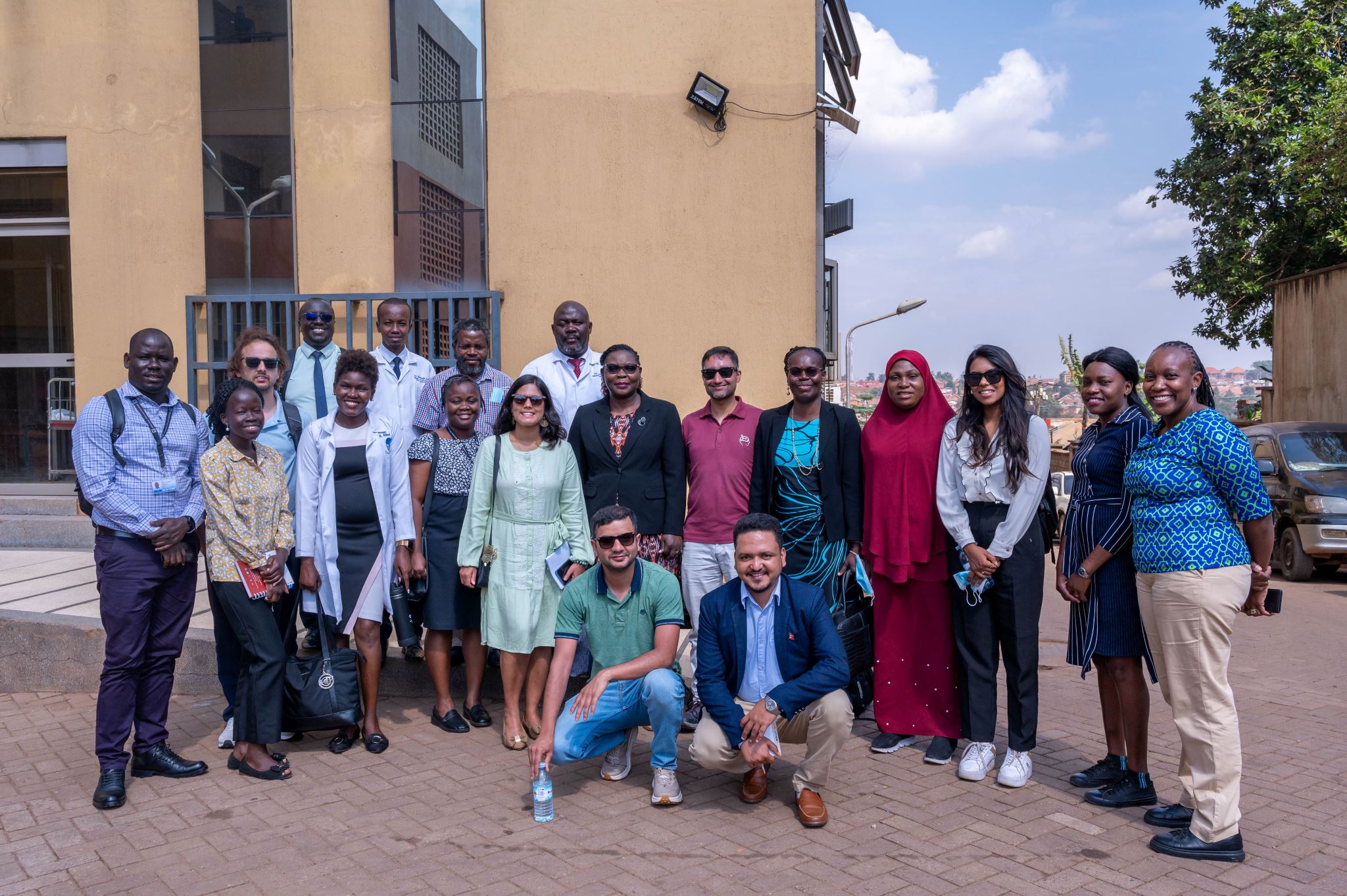
A team of researchers and project leads from NAAMII recently concluded a six-day visit to Uganda to review the progress of their AI-assisted handheld ultrasound study, supported by the Bill & Melinda Gates Foundation (BMGF).
Hosted by the Infectious Diseases Institute (IDI) at Makerere University and Kawempe National Referral Hospital (KNRH), the trip brought together collaborators across clinical, technical, and research domains, advancing a shared mission to make AI-powered maternal diagnostics accessible in low-resource settings.
Project Overview
Funded by the Bill & Melinda Gates Foundation, NAAMII’s AI-assisted handheld obstetric ultrasound project aims to democratize access to prenatal imaging by enabling community health workers and non-experts to perform diagnostic-quality fetal ultrasounds using affordable handheld devices.
In many low- and middle-income countries (LMICs), a majority of pregnant women lack access to timely ultrasound scans, largely due to the shortage of trained sonographers and infrastructure.
This project leverages deep learning to guide users in capturing standard fetal views, such as the head, abdomen, and femur, and detect anomalies in real-time, ensuring critical assessments like gestational age estimation can be done even in remote settings.
Objectives & Engagement
The NAAMII delegation focused on four key goals:
- Reviewing the data collection progress and technical workflows at the Uganda site
- Strengthening collaboration with IDI and KNRH teams
- Monitoring logistical processes and data quality
- Exploring opportunities for cross-country learning and joint research
On-Site at Kawempe National Referral Hospital (KNRH)
KNRH, one of Uganda’s busiest maternal health centers, served as the focal point for clinical engagement.
“With nearly 30,000 deliveries annually, KNRH offers unmatched potential for obstetric research,” noted Dr. Kayogoza, Executive Director of the hospital.
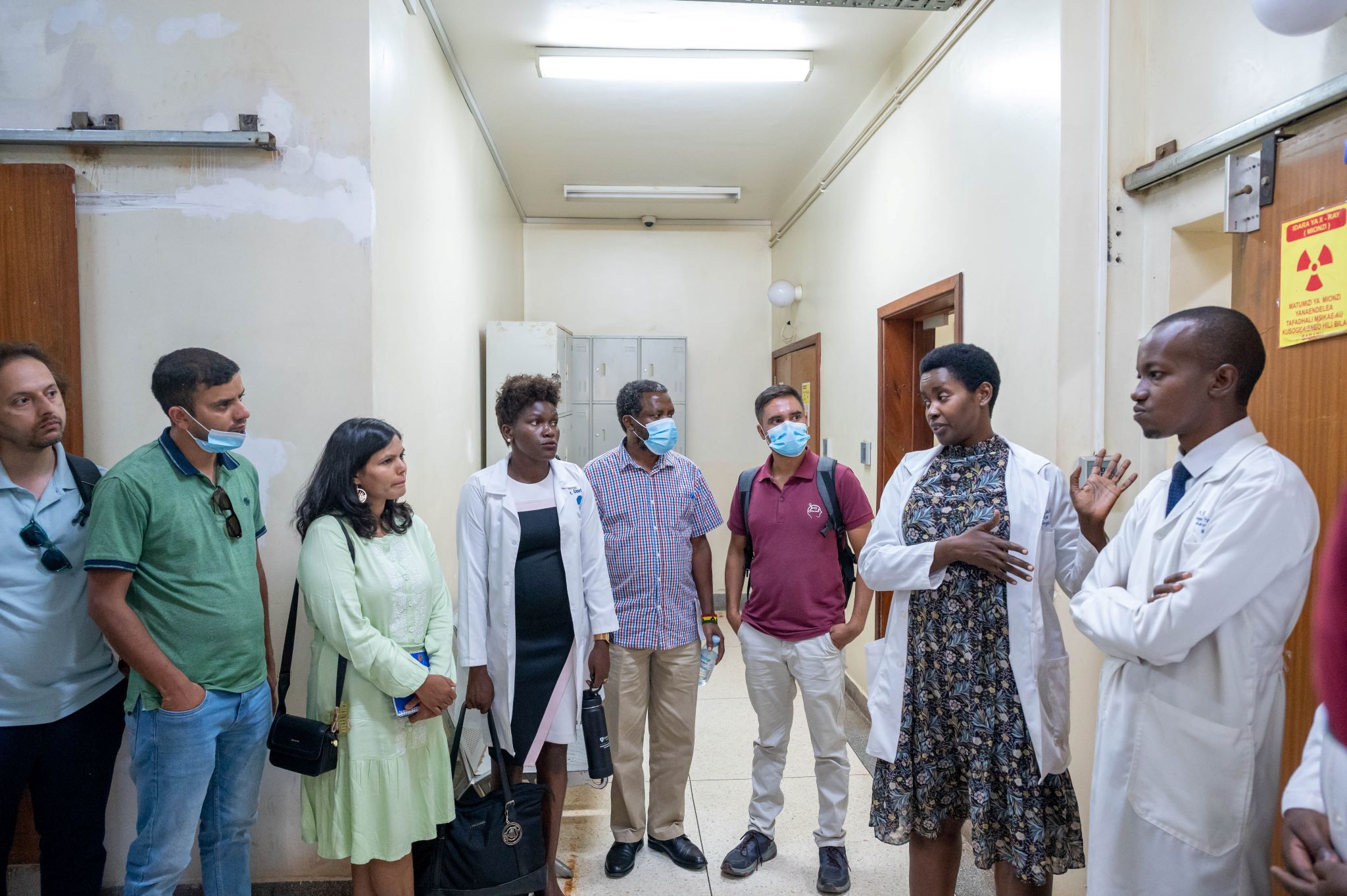
The team toured ultrasound collection areas, reviewed current scanning protocols, and identified gaps in existing research activities that could form the basis for future studies and innovations.
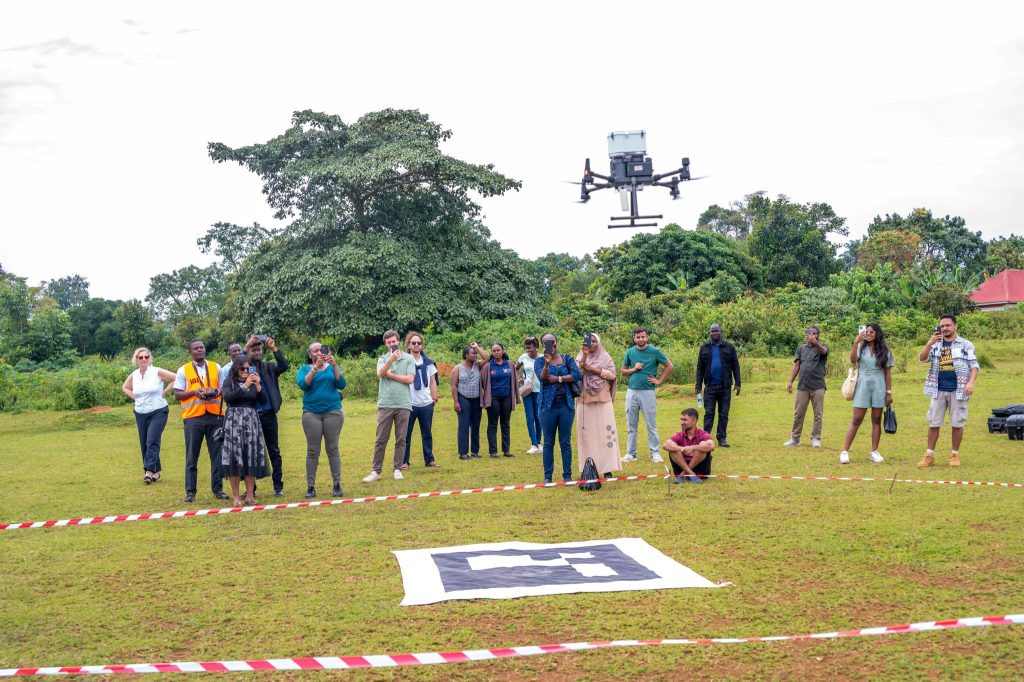
At IDI headquarters, the NAAMII team met with the team from the Academy for Health Innovation and held working sessions on project operations. The team also visited the Virtual Reality Lab, wherein we experienced CPR training in VR, along with an interactive session with one of the chatbots.
By combining NAAMII’s AI expertise in global health leadership with IDI’s African presence and global healthcare experience, this partnership holds significant potential for a transformative impact in maternal health and infectious disease diagnostics in low-resource settings.
Cross-Country Implementation Analysis
The Uganda visit facilitated comprehensive progress reviews across all participating countries—Uganda, Kenya, Nigeria, Pakistan, and Nepal. A cross-country progress review brought all sites together to share updates, challenges, and operational insights, including:
- Device usability and training effectiveness
- Manual data transfer bottlenecks and software issues
- Internet connectivity constraints affecting real-time uploads
- Community engagement strategies to improve scan participation
- Comparative learnings between expert and non-expert scans
One especially effective strategy came from the Kenya team, who placed Standard Operating Procedure posters near ultrasound stations. This simple visual tool improved participant comfort and ensured better protocol adherence by scan operators.
Partnership Framework Development
The mission established a framework for expanding NAAMII’s AI research capabilities in AI algorithm development and training platform design through IDI’s African regional networks.
Key areas identified for collaborative development include:
- Multi-country AI diagnostic tool scaling
- Integrated training module development
- AI-assisted diagnostic integration into existing maternal health programs
- Health systems strengthening through AI-powered decision support
System Optimization and Framework Scaling
The technical assessments identified key bottlenecks in data collection workflows, with proposed solutions including dedicated high-bandwidth Wi-Fi networks at each site and standardized scanning protocols across expert and non-expert operators.
Additionally, KNRH’s high patient volume and IDI’s existing health innovation portfolio, including medical drone systems and digital health platforms, provide substantial opportunities for expanding AI diagnostic applications beyond ultrasound into broader maternal health and infectious disease areas.
Implementation and Future Collaboration
The mission established protocols for systematic scaling, including regular cross-country technical reviews, standardized training module development, and evaluation frameworks for additional country inclusion.
Current project metrics confirm successful multi-country implementation with all partner sites actively collecting data. The Uganda site demonstrates strong institutional capacity and validates the technical framework for broader AI healthcare deployment in resource-limited settings.
To explore partnership or follow the progress of this initiative, reach out to NAAMII at info@naamii.org.np